ASX weighs extended trading hours
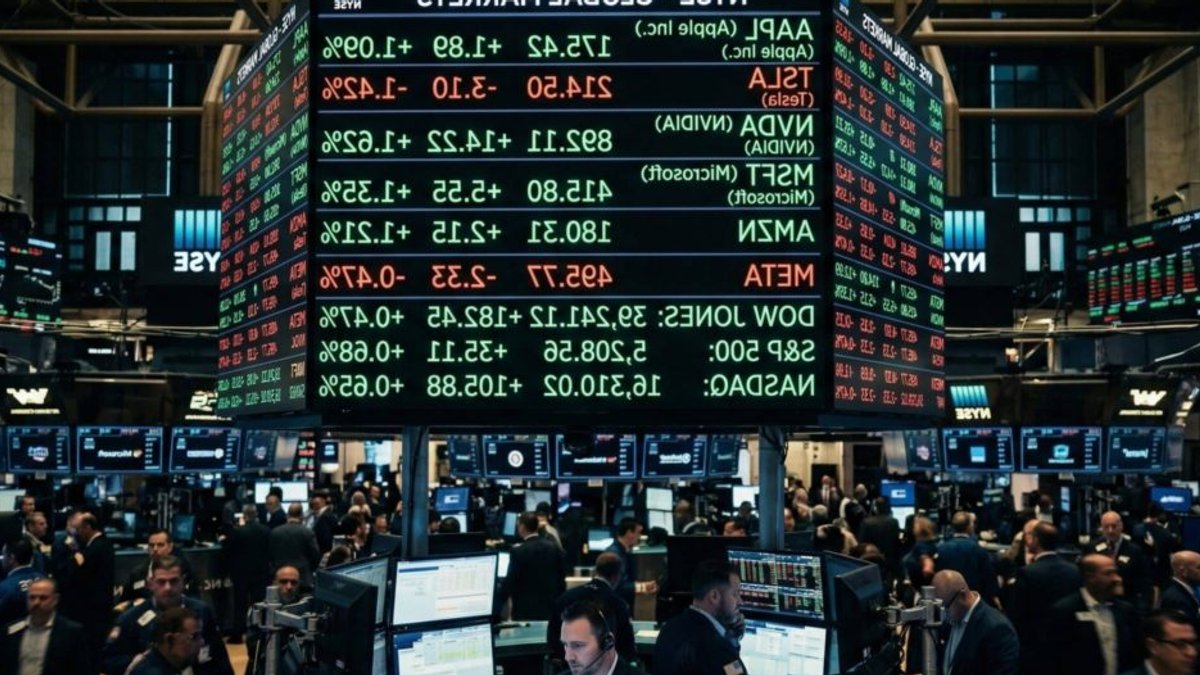
Nasdaq will launch a near-23-hour trading day on December 6, pending regulatory approval. The extended schedule will run from Sunday evening through Friday evening, with a one-hour nightly maintenance break.
New trading schedule details
The exchange will add a night session from 9:00 pm to 4:00 am Eastern Time. This window aligns with Australian business hours, giving local investors the ability to trade US stocks during their workday rather than leaving orders overnight.
David Tuckwell, chief investment officer at ETF Shares, called the change important for Australia. “The new 9 pm–4 am ET night session falls within Australian business hours,” he said. “Investors will no longer need to leave resting orders overnight.”
Nasdaq noted that Asia-Pacific investors are increasingly drawn to US markets for high-growth sectors. Tuckwell added that most brokers offering US access to Australians charge foreign-exchange and custodial fees, making ASX-listed alternatives more affordable.
Liquidity and market behavior
Raymond Azizi, a sales trader at CMC Markets, said the move reduces the importance of the overnight gap. “Australian investors can respond to US earnings, economic data, and geopolitical events in real time,” he explained. “US markets are becoming a continuously accessible global market rather than an overnight event.”
Related: Cryptocurrency gains acceptance but trust lags behind
CMC Markets already offers more than 5,000 US shares, indices, and ETFs for 24/5 trading. Azizi said extended hours are shifting from a competitive edge to an expected feature. “As markets grow more interconnected, investors will expect access to follow information, not the clock,” he said.
Longer hours do not guarantee deeper liquidity. Azizi pointed out that outside core trading times, liquidity can be thinner and spreads wider. “The real test will be whether participation grows alongside the additional hours,” he noted.
Tuckwell warned about the risks of overtrading. “When markets are open while you’re awake and reading news, the temptation to act increases,” he said. However, he acknowledged that real-time access during Asian hours could help investors respond to Chinese data, Reserve Bank decisions, or geopolitical events.
SEC approval covers both stocks and ETFs, meaning US-listed funds will trade overnight. For ASX-listed US-equity ETFs, this could improve pricing accuracy. “Market makers currently price them using futures and proxies because the underlying stocks are closed,” Tuckwell explained. “With the underlying trading live, ETF pricing should become more precise and spreads tighter during Australian hours.”
Future trends
Tuckwell does not expect Australian investors to push for near-continuous trading on the ASX. “No one is asking to trade CBA or BHP at 2 am on a Friday,” he said. “The ASX has other priorities as capital shifts toward a US market now open all Australian day.”
Related: RBA rate hike not expected before 2026
The ASX is developing a discussion paper on tokenization across financial market infrastructure, which may explore extended trading implications.
Tuckwell believes Nasdaq’s move could reduce interest in tokenized ETFs. “Tokenized products are less regulated and typically less liquid,” he said. “Their only advantage has been extended trading hours.”
Azizi said the next step will likely focus on creating continuous price discovery across global markets. “We’re moving from markets that close to markets that pause,” he said.
The change reflects broader shifts in investor expectations.

Cryptocurrency gains acceptance but trust lags behind


