Sports media investment shifts beyond the game
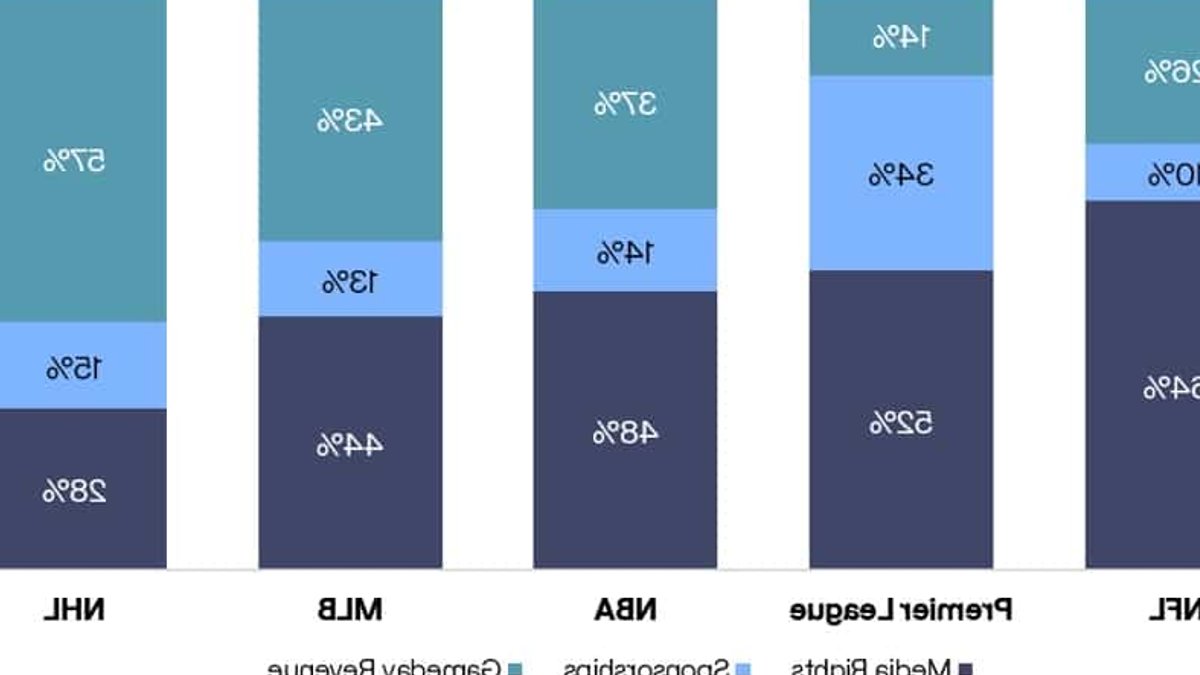
The business of sports goes far beyond game day. Media rights, sponsorships, hospitality, venues, infrastructure, merchandising, travel, data, and live experiences all make up a market that investors increasingly treat as a serious asset class. According to a new report from Ares Management, the sports, media, and entertainment (SME) ecosystem is now valued at more than $3 trillion, and much of it offers recurring revenues, constrained supply, and durable demand.
The report divides the market into three segments: professional sports teams and leagues, sports-related products and services, and media and entertainment. The first covers direct investments in clubs globally. The second includes athletic gear, apparel, stadium services, golf clubs, youth sports programs, and entertainment complexes. The third spans media and analytics companies, live event logistics, music catalogs, and production and talent management.
These pieces are mutually reinforcing, the report argues. Premium content and differentiated assets — teams, artists, venues, catalogs — drive engagement. Engagement generates revenue. Revenue attracts capital. That capital gets reinvested into better content, infrastructure, and data. It’s a loop, not a list of unrelated bets.
Private capital’s role has grown because the economics have matured. These aren’t just trophy purchases anymore. The report describes businesses with identifiable revenue streams, cost structures, and cash flow profiles, often enhanced by brand value and cultural relevance.
Related: MA Financial posts record half year results
Traditional providers like banks and wealthy individuals aren’t filling the funding gap alone anymore. Private capital now supplies growth capital for international expansion, direct-to-consumer offerings, new content development, and entry into new markets. It also finances stadium upgrades, arena renovations, training facilities, and broadcasting capabilities.
Digital transformation is another target: streaming capabilities, fan engagement platforms, data analytics, ticketing technology, and revenue optimization tools. Mergers and acquisitions get funded too, letting businesses consolidate fragmented markets and build scaled platforms. And for founders and families who’ve held assets for decades, private capital offers liquidity while letting them keep operational control.
The report draws on 20-plus years of investing in the space and offers three lessons. First, relationships matter — many assets stay in the hands of founders and long-tenured operators, so access is relationship-driven. Second, flexible capital wins; investors who can provide debt, preferred equity, structured capital, and common equity have more options. Third, durable outcomes beat hype — rigorous underwriting, strong governance, and valuation discipline still decide success.
Institutional capital has brought those disciplines along with it. Established valuation frameworks, transparent reporting, and long-term orientation have all become more common, which the report says should support the asset class for years to come.
Related: JBWere aims to expand graduate program
For portfolio builders, the appeal is diversification. Public markets are increasingly concentrated and correlated, but SME returns often track different drivers: fans watching games, consumers streaming music, members renewing club dues, sponsors chasing engaged audiences. These revenue streams are also becoming more predictable. Sports revenues, for example, now lean heavily on long-term media rights contracts rather than gameday ticket sales. Audio streaming has done something similar for recorded music, creating recurring, subscription-driven global revenue.
That combination has produced returns less correlated with traditional asset classes, which can reduce portfolio volatility. The assets aren’t immune to downturns — consumers may skip events or defer premium purchases in a slump. But they often keep watching, listening, and subscribing. Sticky contracts and entrenched spending patterns provide a cushion that other sectors lack.
The report also notes that SME businesses have less exposure to some dominant portfolio risks today: AI concentration, geopolitical supply chains, commodity volatility, and capital-intensive manufacturing cycles. That’s a notable contrast at a moment when many portfolios carry similar exposures.
The takeaway for allocators is straightforward. You don’t need to be a fan for the allocation to make sense. Fandom makes the story intuitive, but the underlying fundamentals — recurring revenue, resilient demand, differentiated growth — do the actual work.

MA Financial posts record half year results


