Experts welcome data center construction slowdown
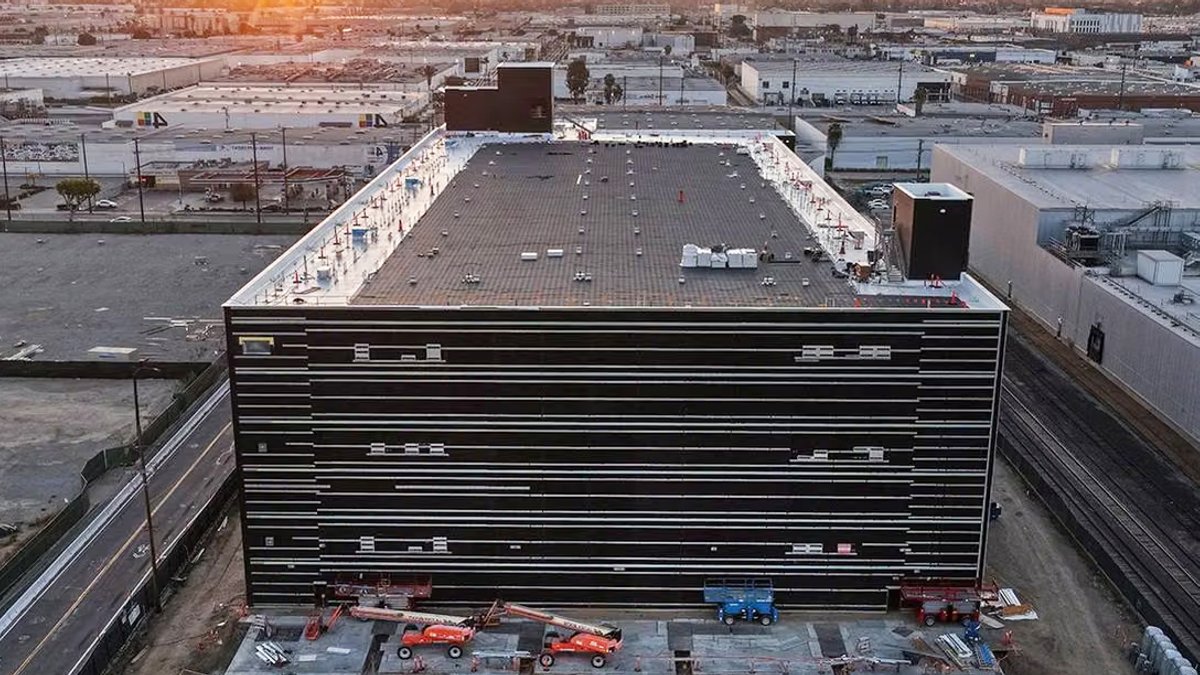
Experts in artificial intelligence are welcoming signs of a slowdown in data-center construction. Raghuram Rajan, a former governor of the Reserve Bank of India, argues that a temporary pause on building these facilities buys critical time for a more deliberate rollout of the technology.
Why the race is heating up
The sheer scale of investment in model training has forced AI companies to show revenue sooner rather than later. Anthropic recently launched a joint venture called Ode to push AI adoption in non-tech sectors, embedding engineers into client organizations to improve chatbots and automate tasks. This push is already pressuring banks to upgrade their digital services, and one former mathematics professor has taken a year off to study AI safety.
That professor worries that if a brilliant mathematician can be displaced by a model solving 377 previously unresolved questions, the profession has no future. While some industries already use bots for contract negotiations and invoice reconciling, mainstream business adoption remains slow. Many banks still cannot resolve a simple funds-transfer issue without a human agent, yet labs continue to pour compute into developing models that only a few can leverage fully.
Read Also: Series of Tech Outages Raises Alarm
The prevailing belief is that the first lab to create a fully self-improving model will gain an exponential advantage and pull permanently ahead of competitors. However, fast followers often discover techniques that allow them to leapfrog the leader, and the leadership position in the AI capability race changes regularly. It seems unlikely any winner will dominate forever, especially if they can hire each other’s workers, unless they literally disable or destroy their rivals.
Another motive for the intense compute investment is a lack of trust among the messianic leaders of top labs. Each believes only they can handle the power that comes with extraordinary AI capabilities. This dynamic is also driven by the fear of China catching up, as Chinese models consistently stay only a few months behind the leading US models.
For workers facing automation, the speed of AI adoption determines whether their jobs are replaced or augmented. Replacing employees produces revenue faster but causes social disruption. Redesigning work and training staff to use AI tools preserves jobs but takes more time. Companies in the best position to implement employee-centric AI need to take more responsibility for their employees’ future, even as governments offer incentives for short-term profits through layoffs.
Read Also: Finance company deposits jump 28% past banks
A needed pause
Yet political leaders in the United States are demanding a pause on new data-center approvals. This push echoes local community concerns about the broader consequences of an uncontrolled AI rollout. Faced with fewer resources for monetizing AI over the medium term, investors will be forced to limit costly allocations to model development.
A construction slowdown raises the cost of AI usage, which changes the calculus behind decisions to replace employees. It also allows the supply of chips and memory to catch up, preventing costs from rising inexorably. Furthermore, the pause lets AI regulation catch up so that lab founders are not the only ones determining how much risk the world should tolerate. The intent of a pause should not be to stop AI development or usage, but rather to buy time to implement the technology more deliberately.


