Korea’s strong fundamentals clash with weak market pricing
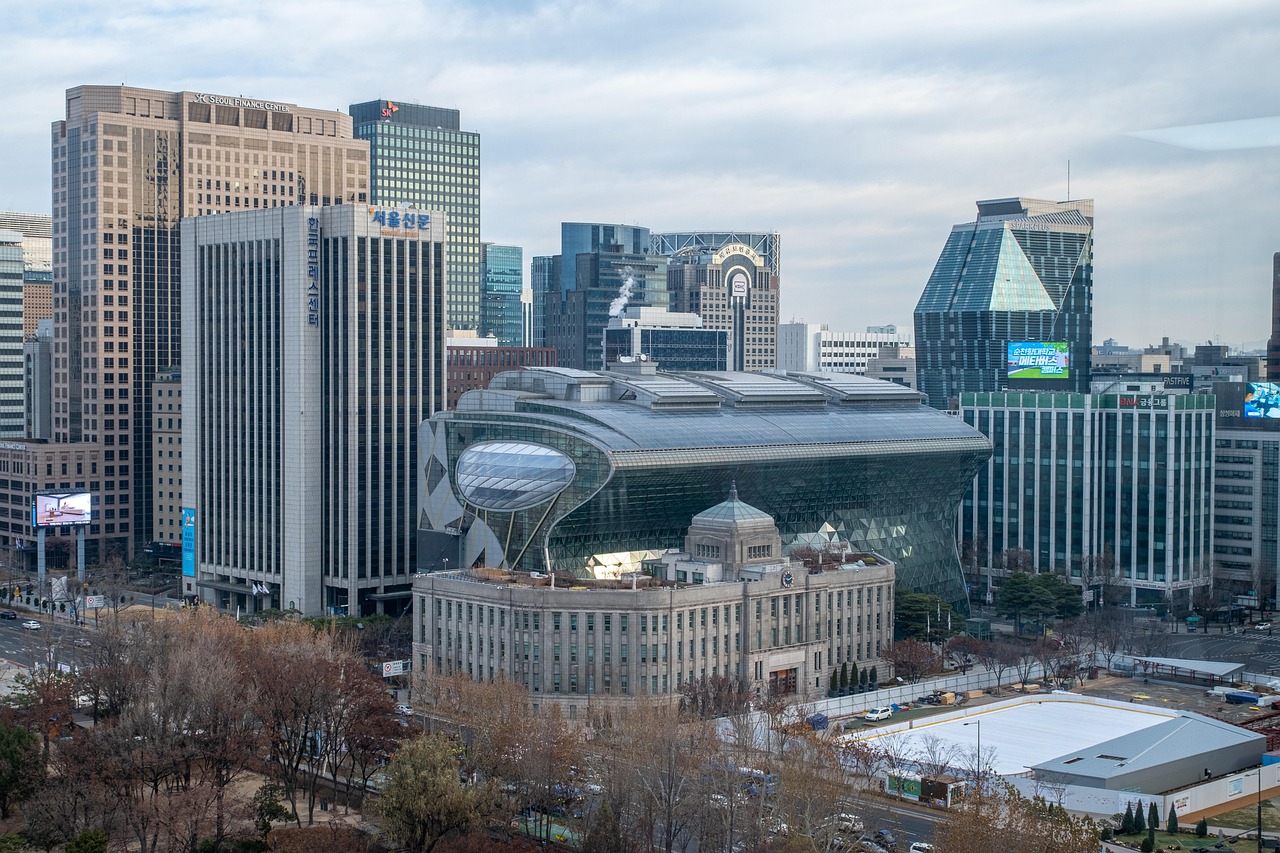
Korea presents one of the most striking gaps between economic fundamentals and market pricing seen in years. The country has become a clear beneficiary of the global AI boom, with semiconductor exports surging and the KOSPI equity index climbing 262% since the start of 2025 — the best performance of any major stock market in the world. But the Korean won and Korean Treasury Bonds have gone in the opposite direction, posting some of the weakest returns across both developed and emerging markets.
That disconnect is what analysts at one investment firm are calling ‘the Korea conundrum.’ The macro story has improved, but market pricing has deteriorated.
The gap may or may not persist.
The equity rally that left the won behind
Korea’s equity rally has been driven largely by tech giants Samsung Electronics and SK Hynix, which together make up about half of the KOSPI’s market capitalization. Those two companies have been at the center of global demand for AI chips and memory semiconductors.
Related: Microchannel technology role in reducing carbon footprint
The broader economy has also strengthened. The nation’s external surplus hit a record USD 123 billion in 2025, equal to 6.5% of GDP, and another record is expected this year. GDP growth is forecast to reach around 2.7% in 2026, above the country’s long-term trend. Yet the won has depreciated 12.6% against the US dollar over the twelve months through end-June 2026, returning to lows last seen in 2009. The bond market has suffered a similar fate. The iBoxx ALBI Korea Index fell 10% in local currency terms since mid-2025, making Korean government bonds the worst-performing local-currency bond market in Asia over that period.
The fiscal deficit is projected to narrow from 3.9% of GDP in 2025 to 3.1% in 2026, and further in 2027, an improvement from earlier government projections of around 4%. Higher tax revenues allowed the government to finance a KRW 26.2 trillion supplementary budget without issuing additional bonds.
Why capital flows overwhelmed fundamentals
The answer to the conundrum lies less in Korea’s economic data than in its capital flows, according to M&G. While semiconductor exports have been strong and the external surplus has widened, those positives have been overwhelmed by equity-related outflows, overseas allocation by domestic investors, and limited conversion of export receipts back into won. Approximately USD 100 billion flowed out of Korean equities over the twelve months through mid-2026, with the bulk driven by profit-taking and portfolio rebalancing in those two stocks.
Additional pressure came from other factors. Exporters converted a relatively small proportion of their US dollar receipts into won, while net foreign direct investment remained negative. These outflows largely offset the positive impact of the record current account surplus and continued foreign demand for government bonds.
Related: Wellesbourne Mountford’s Whimsy: Trends in Unique Engagement Rings
Korea is not facing a foreign currency funding crisis. US dollar liquidity remains ample, cross-currency swap spreads are narrow, and the country is a net external creditor with substantial foreign exchange reserves built up over two decades. That distinction matters, because the current weakness looks fundamentally different from the crises of 1997 or 2008.
Policymakers have stepped up efforts to stabilize the currency. They have used verbal intervention, granted the National Pension Service greater FX hedging flexibility, reviewed exporters’ foreign exchange conversion practices, and increased scrutiny of banks’ FX trading. Those measures appear to be gaining traction. Exporters’ USD sales ratio rose to 18.6% in March, the highest in nearly two years, while importers’ dollar demand moderated.
Korea recorded a current account surplus of roughly USD 102.7 billion in the first four months of 2026, and the Bank of Korea projects a full-year surplus of around USD 250 billion. Near-term corporate flows could also help. Markets expect a meaningful portion of the proceeds from SK Hynix’s planned US ADR listing to be converted into won to finance domestic semiconductor investments. August corporate tax prepayments should generate seasonal demand for the currency as well.
Policy steps and what comes next
For bonds, the sell-off may have gone too far. Despite inflation concerns from the US-Iran conflict and stronger domestic growth, the Bank of Korea projects headline inflation of 2.7% in 2026 — well below the 2022 energy crisis peak.
Related: The Engagement Ring and Social Status
Oil prices have declined after the US-Iran ceasefire. The report notes that government bond yields have already returned to levels seen during the 2022 inflation spike, even though inflation is materially lower now.
The inclusion of Korean government bonds in the FTSE World Government Bond Index, starting in April 2026, is expected to attract roughly USD 52 billion of passive inflows over eight months. Its latest Financial Stability Report highlighted rising household debt and vulnerabilities among small businesses and self-employed borrowers. Excessively restrictive financial conditions could themselves become a source of instability, limiting how high rates can go. The balance of risks, the report argues, is beginning to look asymmetric: a significant amount of tightening risk is already priced in.
Whether the won and Korean bonds will rebound quickly remains uncertain, especially while equity-related outflows continue. But the gap between market pricing and underlying fundamentals has widened to levels that many analysts believe are difficult to sustain. As capital flow pressures gradually moderate, both the currency and the bond market could begin to reflect Korea’s stronger economic position more clearly.

Microchannel technology role in reducing carbon footprint


