Morena Deputy Accuses PAN Lawmakers of Gender Abuse
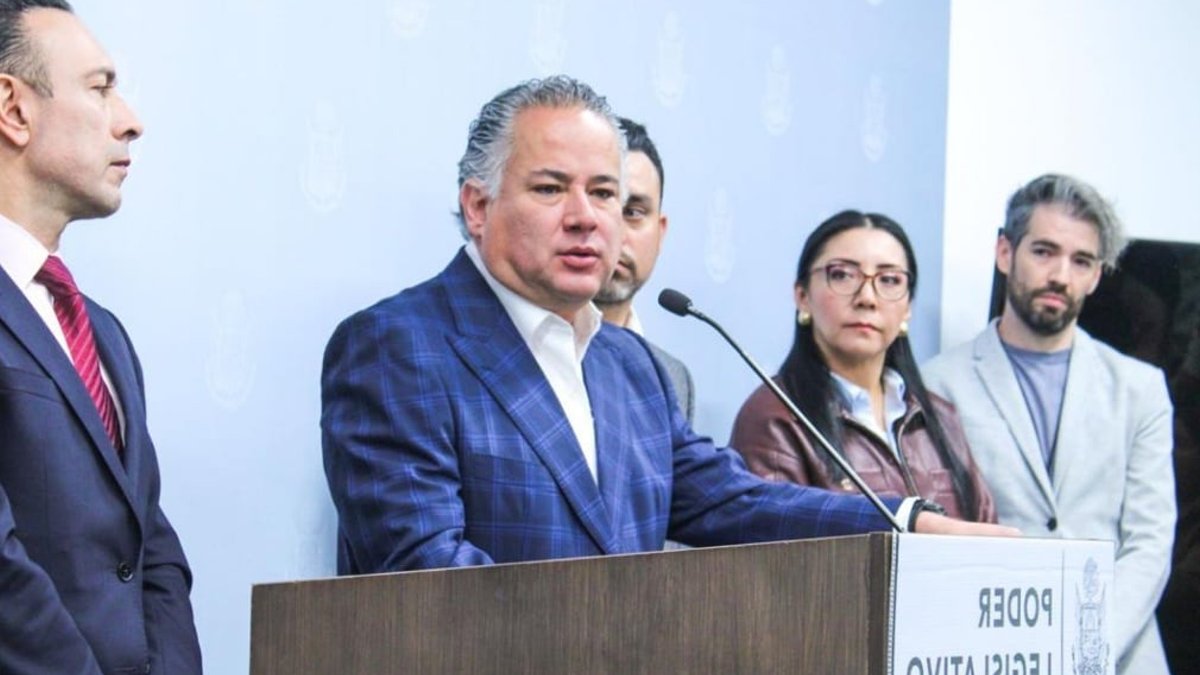
Georgina Guzmán Álvarez, a Morena deputy for Querétaro, filed two complaints with the Electoral Tribunal of the State of Querétaro (TEEQ). She alleged gender-based political violence by two National Action Party (PAN) members: Guillermo Vega Guerrero and Antonio Zapata Guerrero.
The complaints stem from a legislative session. PAN deputies used the phrase “Calladita te ves más bonita” (“You look prettier when you’re quiet”). Guzmán Álvarez says this was directed at her during the debate.
Denuncias y reacciones
When filing the complaints, Guzmán Álvarez was joined by Santiago Nieto Castillo. Together, they asked the tribunal to investigate and consider sanctions for the alleged verbal aggression.
She publicly responded, “Calladita no me veo más bonita” (“I don’t look prettier when I’m quiet”), stressing that such language seeks to curb women’s participation and influence in political life.
According to her, the phrase is both sexist and misogynistic because it ties a woman’s worth to her appearance and to a silence that is expected of her, thereby dismissing her voice, ideas, and right to take part in decision-making.
Read Also: Germany Warns: Putin Aims to Destabilize Europe’s Order
Análisis de las expresiones
She explained that suggesting a woman appears more attractive when she remains silent reduces women to decorative objects, valued only for visual appeal and not for any contribution to public discourse.
These kinds of remarks acquire particular gravity when they are uttered by elected officials, as public representatives are expected to uphold equality and to protect the right of women to engage in public affairs with dignity.
Nieto Castillo voiced his full support for the deputy and pledged to stand beside her throughout the filing process, the subsequent electoral review, and any administrative procedures that may follow.
The Coordination of the Defense Committees of the Fourth Transformation in Querétaro condemned the language employed by the PAN legislators, asserting that the role of elected officials is not a venue for reproducing misogyny but a duty to counteract it.


