AI Lowers Barriers, Enables New Fraud Methods
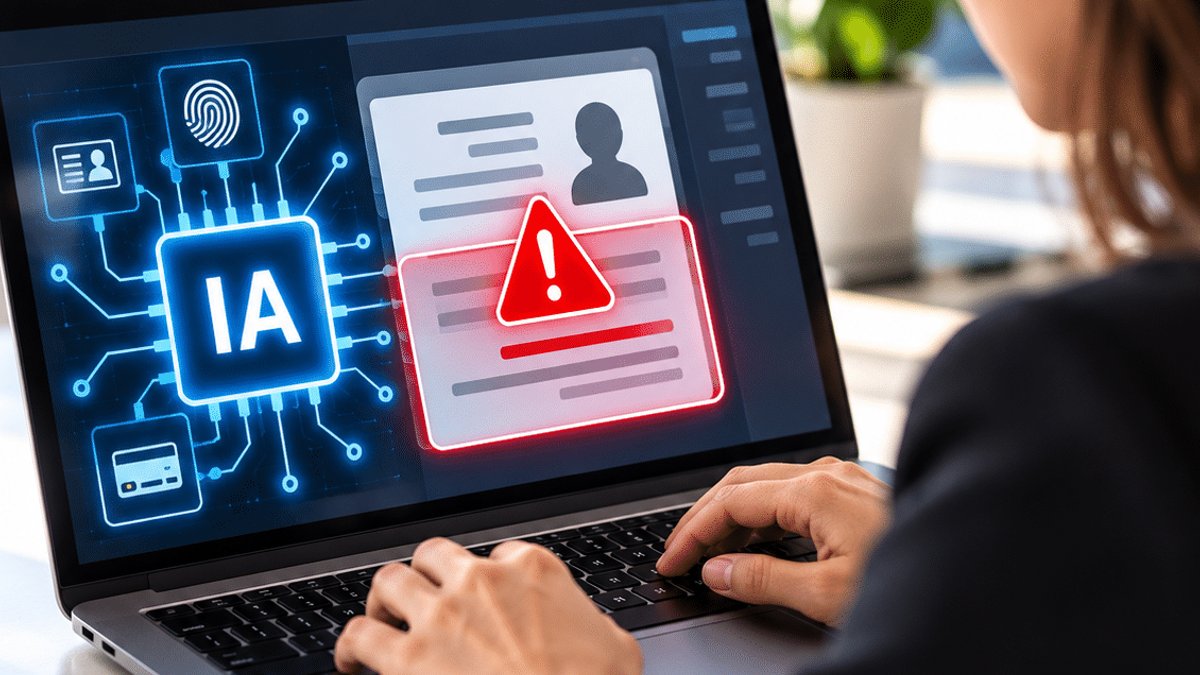
Socure Inc. has identified a new criminal classification: AI-Fluent Fraudsters, reflecting how artificial intelligence is transforming fraud methods.
AI Lowers Barriers for Consumers
The fraud prevention firm’s report, “From the Frontline: Fraud’s Napster Moment,” explains that AI has removed technical barriers for everyday consumers, enabling them to commit fraud more easily. Mike Cook, Socure’s head of fraud insights, notes that 13.4% of survey respondents admitted using AI for at least one type of fraud, with over half showing no prior evidence of fraudulent activity without AI. These individuals are typically ordinary people, mostly men under 30, driven by curiosity as much as financial gain.
AI-Fluent Fraudsters are 62.7% male, slightly higher than traditional fraudsters at 55.1%. Socure’s data comes from a 1,250-consumer survey and its global identity intelligence network. The most common fraud type is first-party fraud at 81%, often motivated by curiosity—41.8% of respondents cited it as their top reason, ahead of economic hardship at 37.7%. Additionally, 16.5% felt AI made fraud feel impersonal, nearly triple the rate of traditional fraudsters.
Read Also: BNPL Firms Seek Bank Charters to Gain Control
Organized Crime Automates Attacks
Among organized criminals, AI is streamlining operations by enabling automation and mass production of identities for repeated profit. Cook states that 67.3% of ring members use AI compared to 42.9% of solo actors, and they are more likely to work across multiple fraud types. First-party fraud is the entry point, where consumers rationalize it as recovering owed money, then replicate the tactics across merchants, lenders, and gaming platforms.
These consumers use AI to generate fake hardship letters, income statements, or bank records, bypass Buy Now, Pay Later payments, fabricate refund reasons, or evade credit card bills. Cook warns that curiosity-driven fraud could sustain high rates even in a strong economy, diverging from the historical link between first-party fraud and economic downturns.
Synthetic Fraud Risks Rise
Synthetic fraud, previously flat or declining, may resurge as AI enables sophisticated synthetic identity creation. Cook cautions that traditional verification methods, which focus on document authenticity, are insufficient against deepfakes and synthetic documents. He emphasizes the need to analyze device and location data alongside document checks.
The report highlights that synthetic documents and deepfake imagery are now easy to produce, making visual verification inadequate. Cook’s concern is that first-party fraud could serve as a gateway to more complex fraud types, requiring a broader analytical approach beyond surface-level document scrutiny.


