Europe Utilities Face Huge Spending Bill
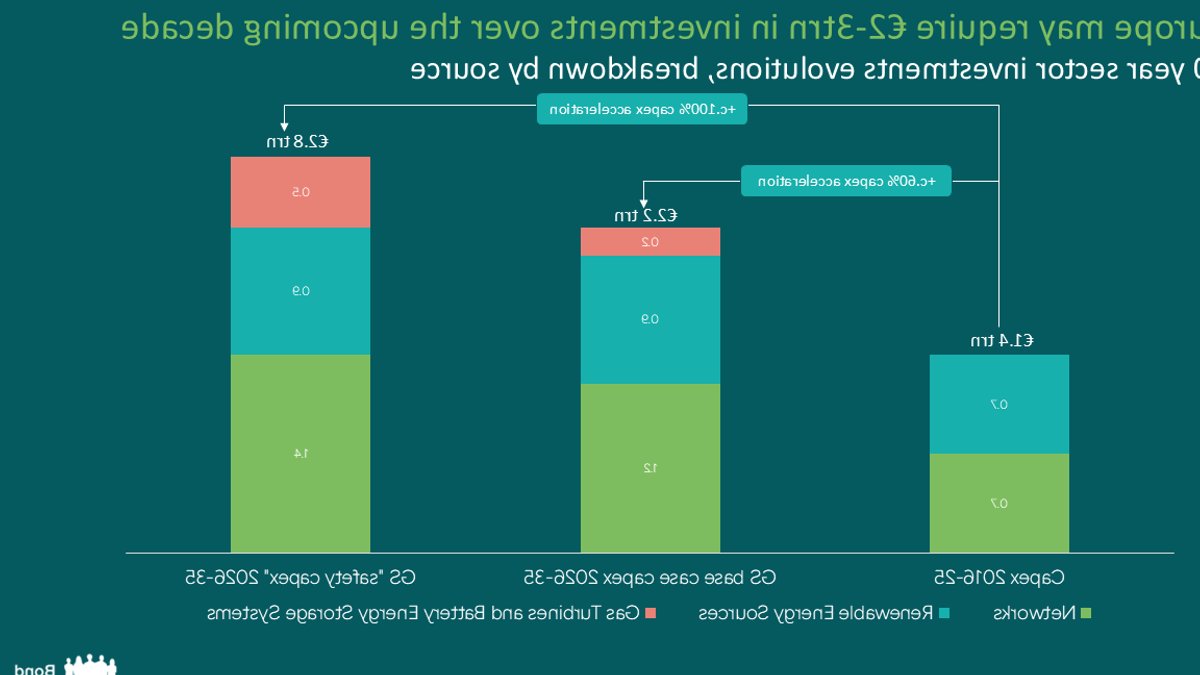
European utilities are preparing for a massive wave of capital spending that could reshape the sector’s finances over the next decade.
Scale of the investment plan
A recent research note estimates the European power system will need between €2 trillion and €3 trillion in capital expenditure from 2026 through 2035, roughly double the spend of the previous ten‑year period.
Within that range, the analysis projects €1.2 trillion to €1.4 trillion for grid upgrades, about €200 billion for backup gas capacity, and roughly €35 billion earmarked for battery storage projects by 2030.
Between 2026 and 2030, the nearer‑term outlook sees around €580 billion in investments, with roughly 85 % tied to regulated or contracted activities, offering bondholders a degree of security.
Visibility of these projects and supportive regulatory frameworks suggest stable earnings for grid operators and renewable developers, though cash‑flow timing does not perfectly align with the outlay schedule.
Credit implications of higher leverage
Historically, utilities have balanced new projects with operating cash flow, asset sales, and incremental borrowing while keeping credit metrics steady.
Related: LME trade fears impact Arxada stocks
Rating agencies now note a decline in free‑flow‑to‑operating‑income relative to net debt, alongside a rise in overall leverage.
The pressure stems from three angles: the sheer volume of new spending dwarfs past investment phases; political and social stakes rise as higher costs could affect consumer bills; and a mismatch exists between the upfront nature of capital projects and the slower pace at which cash flows materialise under regulated tariffs.
Bond investors are asking whether the debt load required to fund these projects is acceptable, how quickly firms can recycle capital through asset sales or partnerships, and whether the risk premium assumed is justified.
Execution risk has become a central credit driver. In earlier cycles, credit profiles were largely tied to commodity price exposure or regulator decisions. Today, the ability to deliver a complex set of projects on schedule is a key factor.
Europe must retire aging infrastructure, scale up renewable generation that depends on weather conditions, modernise decades‑old grids, and accommodate new demand sources such as data centres. Each task is demanding; handling them all at once adds coordination challenges across supply chains, permitting processes, and system planning.
Delays or cost overruns could push up the amount of borrowing needed, while postponed cash flows would weaken coverage ratios and potentially slow regulatory recovery of invested capital.
Related: Navigating AI Learning Paths In India’s Best B-Schools
What the shift means on the ground
For the companies involved, the new regime means tighter scrutiny of project timelines and a greater focus on financial engineering.
They will likely lean more on structured financing and joint‑venture models to spread risk, while also seeking ways to accelerate asset sales that free up cash.
The heightened attention to execution could spur tighter project management standards and more robust contingency planning.
From a broader perspective, the surge in spending may accelerate the transition to cleaner energy sources, but it also raises concerns about how quickly consumers will feel the impact on their electricity bills.
If regulatory bodies can align recovery mechanisms with project completion, the financial strain on utilities could be mitigated; otherwise, higher borrowing costs may ripple through to end‑users.
Overall, the upcoming wave of investment introduces a new credit risk environment for Europe’s utilities.

LME trade fears impact Arxada stocks


