LME trade fears impact Arxada stocks
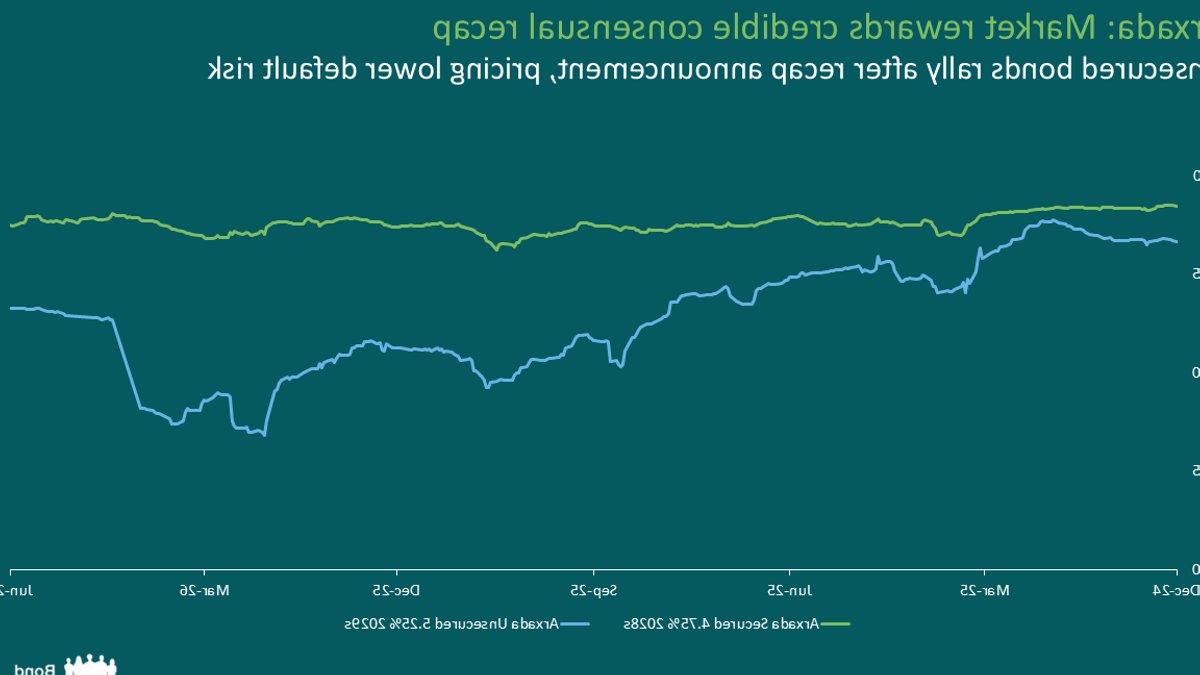
Arxada’s latest bond restructuring highlights how the market’s view of liability‑management‑exercise (LME) risk can shift when sponsors opt for negotiated outcomes rather than coercive tactics.
Flexible documentation and the scope for change
The bond documentation for Arxada shows a capital structure that can accommodate a range of adjustments. It permits additional secured debt through a super‑senior basket and allows “dropdowns” that limit the transfer of core intellectual property into an unrestricted subsidiary, effectively removing a typical “J Crew blocker.”
Likewise, the intercreditor agreement can be altered, enabling notes to be subordinated in payment priority with majority consent—an absence of a “Serta blocker” that can lead to up‑tiering, similar to the move seen at Victoria Plc.
These provisions illustrate how weak protections can open pathways to both coercion and, paradoxically, more collaborative deals. The documentation alone does not dictate the end result; sponsor intent, creditor coordination, and directors’ duties also shape outcomes.
Why coordination matters for unsecured creditors
Unsecured creditors often worry less about whether a transaction is formally coercive and more about how unified their group is. A fragmented creditor base can be exploited, leaving some parties disadvantaged while others benefit.
Related: Behind the Steel Doors: The Silent Guardians of Singapore’s Most Hazardous Cargo
When creditors band together, they may still face concessions—such as extensions, coupon changes, or exchange terms—but they negotiate as a bloc rather than pursuing holdout strategies. Cooperation, in this sense, is a rational response to loose documentation rather than a moral choice.
In Arxada’s case, the sponsor presented several routes, from an amend‑and‑extend plan to a more aggressive scheme, depending on creditor support. The mere presence of a coercive option can push unsecured lenders toward a quicker, negotiated settlement.
Secured lenders, protected by their senior position, face fewer risks, while unsecured parties confront the threat of fragmentation. This nudges them to organize early, potentially signing a cooperative agreement to secure liquidity and a more stable structure.
From a broader perspective, the ability of a creditor group to coordinate can transform a weak situation into a chance for a reset that preserves value. In markets where LME risk is often priced solely on downside scenarios, the incentive to cooperate may be overlooked, yet it can be a decisive factor in achieving a constructive outcome.
Arxada’s final deal reflects this logic. Both secured and unsecured debt were extended at par, and fresh capital from Bain and Cinven entered on a junior basis to support secured lenders and provide needed liquidity. A covenant reset reduced future LME optionality, securing consent from the creditor pool.
Related: Why Small Businesses Should Work With a Digital Consultant
Creditors now enjoy a longer runway, continued exposure, and participation in any future recovery, while the borrower retains a functional capital structure.
Creditors benefit from cooperation.
Aggressive LME actions are not without cost. They can trigger litigation, delay execution, damage reputations, and create more complex capital structures that are harder to refinance. For a company like Arxada, where recovery potential exists, preserving operational runway often outweighs winning a priority battle.
Investors should reconsider how they price LME risk. The market frequently conflates legal optionality with likely outcomes, overlooking the fact that the threat of coercion can itself drive faster, more orderly resolutions. Structures that enable extreme actions are fewer than those that facilitate negotiated settlements.
In practice, the key question shifts from what issuers can do to what they are incentivized to do. Arxada’s case shows that the mere possibility of a coercive path can spur creditors to cooperate, achieving a deal that benefits all parties without the need for aggressive enforcement.

Behind the Steel Doors: The Silent Guardians of Singapore's Most Hazardous Cargo


