Australia’s housing boom faces fresh pressure
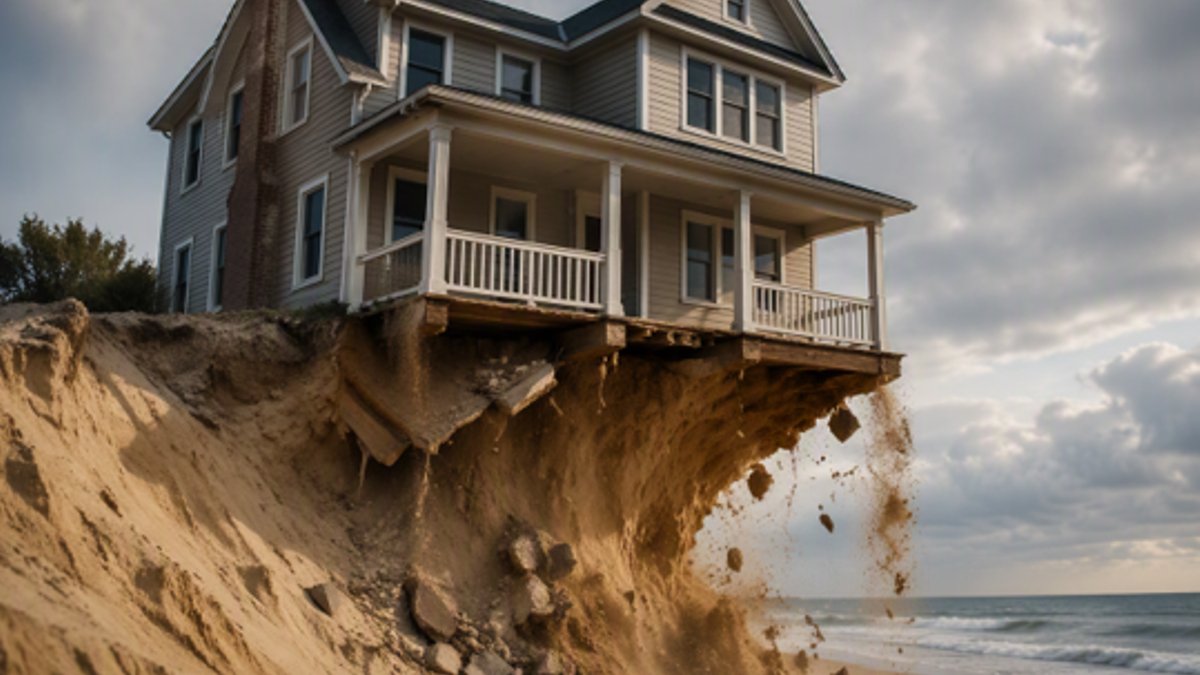
Australia’s housing market, long considered a safe investment, is now experiencing its first significant challenge in decades. Prices have reached some of the highest levels in the developed world due to population growth, limited supply, and a widespread belief that property values only increase.
Debt levels leave little room for error
Australian households carry more debt than most others globally. Total household debt stands at 112% of GDP, far above the 67% seen in the United States. For comparison, U.S. household debt peaked at about 100% in 2007 before the subprime crisis. While Australia’s lending standards are stricter and mortgages are full-recourse, the volume of debt makes the market sensitive to interest rate changes.
Most Australian mortgages are either variable-rate or short-term fixed loans that reset quickly. When the Reserve Bank of Australia raises rates, homeowners feel the impact immediately. In contrast, U.S. homeowners benefit from 30-year fixed-rate mortgages that shield them from short-term rate hikes.
Low borrowing costs once made high debt manageable. But as rates rise, disposable income drops, spending slows, and financial strain increases. Fewer buyers can afford loans at current valuations, and past trends suggest this often leads to price declines.
The RBA’s balancing act
The Reserve Bank of Australia is handling a difficult path between inflation and economic slowdown. Though growth has eased, inflation remains above target, forcing the central bank to maintain restrictive rates. This offers little relief to homeowners already struggling with high costs.
Related: Navigating AI Learning Paths In India’s Best B-Schools
Consumer confidence is weak, and economic momentum is fading. The Economic Surprise Index, which measures whether data meets expectations, has dropped to its lowest point in a decade. A weakening economy rarely supports an expensive housing market, especially when combined with low sentiment and tight monetary policy.
Housing trends reflect broader economic conditions. They depend on household confidence, income expectations, and willingness to take on debt. Currently, all three are strained. Rising mortgage payments, living costs, and inflation have made households more cautious. When people pull back, they delay large purchases, save more, and avoid overextending financially—behavior that typically weighs on property prices.
Tax incentives
Property investors have long benefited from Australia’s favourable tax treatment. This makes it harder for the market to rely on past supports.
Australia’s housing boom relied on multiple factors: population growth, supply constraints, and cheap debt. Most of these supports are now weakening or under pressure. The market isn’t collapsing, but its stability is no longer guaranteed.
For those tracking shifts in commodity markets, similar pressures have emerged in other sectors, as seen in recent trading challenges.


