Arxada Tests Limits of LME Fear Trade
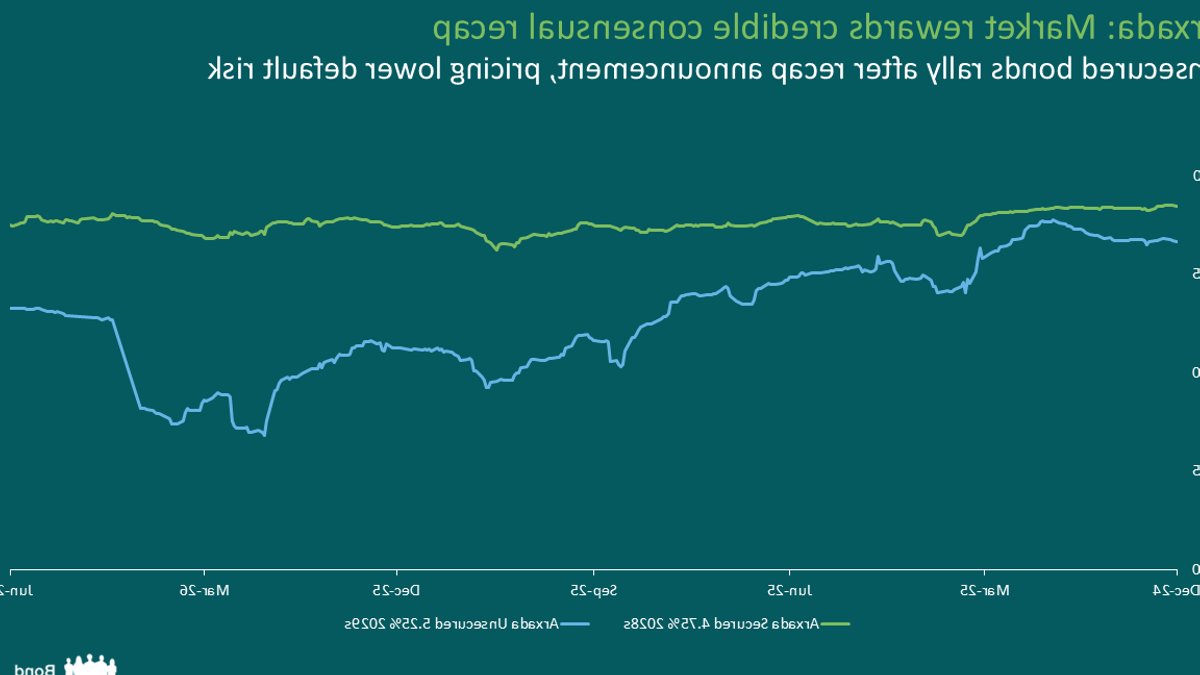
The market increasingly treats liability management exercise risk as synonymous with coercion and value transfer. It has a range of tools: dropdowns, up-tierings, double dips, and other non-pro-rata outcomes. In structures with weak protections, that instinct is understandable but increasingly incomplete. Some credits with high LME optionality are delivering negotiated, consensual outcomes that preserve value, and in some cases, unlock upside.
Documents matter, but they are rarely the complete story. A read of Arxada’s bond documentation makes clear just how flexible certain capital structures can be. There is capacity for additional secured debt through super senior baskets, dropdowns given limited ability to transfer material intellectual property or other assets into an unrestricted subsidiary — an absence of the so-called J Crew blocker.
There are limited protections against non-pro-rata transactions. For example, the Intercreditor Agreement can be amended and notes subordinated in right of payment, liens, or priority with majority consent — a lack of the Serta blocker — enabling an up-tiering, as seen in Victoria Plc.
Related: SpaceX threatens telecom and cable giants
But documentation is only one variable. Actual outcomes depend on a host of factors including sponsor intentions, stakeholder interests, directors’ duties, and the composition and agenda of creditor groups.
The existence of loose documentation opens credible routes to coercion. That downside can be priced into bonds without recognizing that it can also act to secure a cleaner deal for all stakeholders.
For unsecured creditors, the key issue is less whether a transaction is formally coercive and more whether the group is coordinated.
Fragmentation creates vulnerability.
Related: Markets price geopolitical risk not hope
A divided creditor base can be picked off, with some groups advantaged and others left behind. By contrast, coordination changes that factor. Creditors may still face concessions — through extensions, coupon adjustments, or exchange economics — but they negotiate collectively rather than pursuing holdout strategies. Cooperation is not a moral stance; it becomes a rational response to weak documentation.
The threat of a coercive path can push creditors toward a faster negotiated deal, but it also carries risks for sponsors. If the threat is not credible or if coordination fails, the outcome could be worse. The balance between coercion and cooperation is delicate, and Arxada’s case shows how the mere presence of optionality can shape behavior without needing to be executed — a factor that markets often overlook when pricing LME risk.
Arxada espoused multiple implementation routes, ranging from consensual amend-and-extend to a scheme or more aggressive LME depending on creditor support. The availability of these options matters, because the sponsor does not need to execute the most aggressive path for it to shape behavior.
The company is delivering a constructive outcome, with both secured and unsecured debt extended at par. There is a fresh new money injection from sponsors Bain and Cinven on a junior basis to secureds in order to support the transaction and provide liquidity. A covenant reset reduces future LME optionality in exchange for consent. Creditors gain a longer runway, continued exposure, and participation in any future recovery.
Related: What Cloud Web Hosting Solution Should You Use for Your Website?
Aggressive LMEs are not costless. They introduce litigation risk, execution delay, reputational damage, and often result in more complex, harder-to-refinance capital structures. They may solve a near-term maturity wall but create longer-term constraints.
For a business like Arxada where recovery potential exists, preserving runway can outweigh winning a priority battle. Creditors — including secureds — ultimately need a functioning borrower and a financeable capital structure.
LME risk is real, but markets continue to conflate legal optionality with likely outcomes. Many structures enable egregious actions; far fewer make them optimal. The key question is not what issuers can do, but what they are incentivized to do. In cases like Arxada, the threat of coercion is often enough to drive a faster, more orderly outcome — importantly, without needing to execute it. The risk is often mispriced here. Investors focusing only on downside optionality miss the role it plays in shaping behavior and securing consensual deals. The more interesting opportunities today are not simply the ones with the weakest documentation, but situations where coordination can turn structural vulnerability into a negotiated reset, preserving value and upside.


