Markets price geopolitical risk not hope
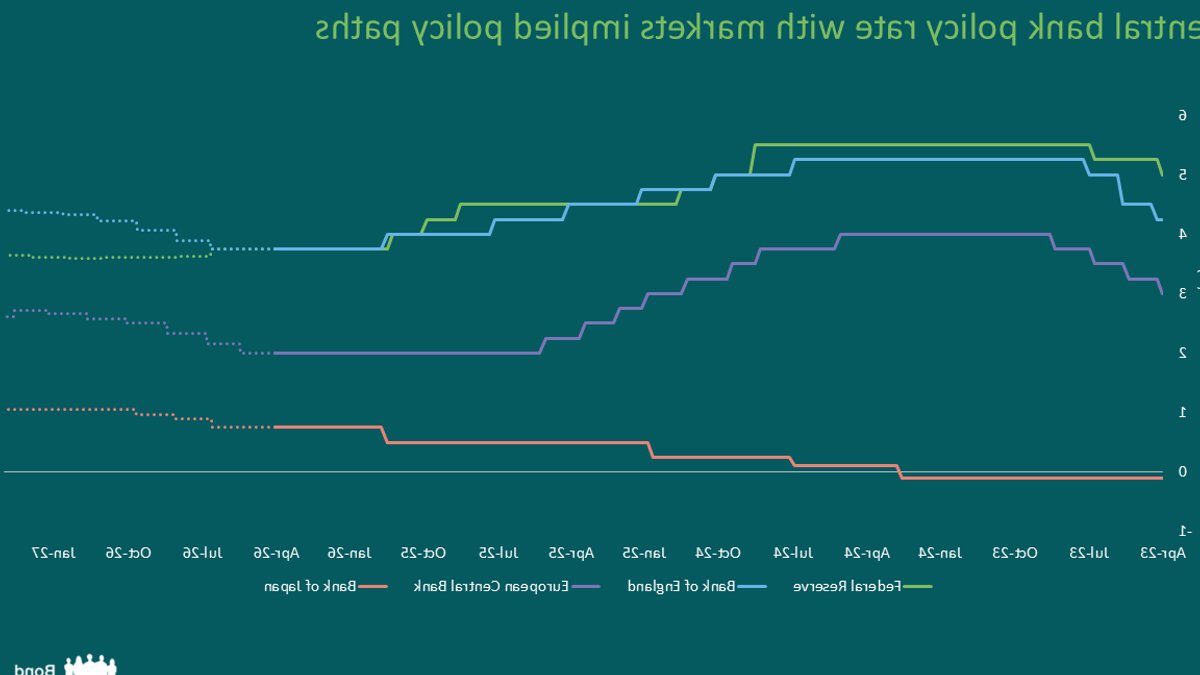
Markets rarely move on hope alone. When uncertainty rises, they tend to price risk first, often before outcomes are clear. The renewed tensions in the Middle East are a reminder of that pattern, bringing energy risk, inflation concerns and policy credibility back into focus. Energy risk premia, inflation uncertainty and renewed focus on central bank credibility have all resurfaced.
For structured credit investors, the experience of the last major rates shock offers a useful guide to what matters when volatility returns. Experience suggests that bottom-up analysis and stress testing fundamentals remain a more robust approach than trying to predict geopolitical events.
How floating rate credit held its ground when rates surged
One of the defining features of 2022 and 2023 was the divergent experience between fixed rate and floating rate assets. Floating rate credit benefited from coupon resets that moved higher alongside policy rates, limiting drawdown risk and preserving income. Price sensitivity remained low, helping to dampen volatility relative to traditional corporate bonds.
Returns during that stress period were driven primarily by carry rather than capital gains, reducing reliance on spread compression or market timing. In practice, this allowed high quality ABS strategies to deliver more stable outcomes with lower correlation to government bonds and fixed rate credit. When compared with similarly rated short-dated corporate bond indices, senior ABS strategies delivered stronger cumulative returns with shallower drawdowns across both euro and sterling share classes.
Related: What Cloud Web Hosting Solution Should You Use for Your Website?
For investors, the lesson is that in times of geopolitical stress, trying to predict the next escalation is less reliable than focusing on the underlying structure of assets. The resilience of ABS during that period suggests that assets with embedded protections and income visibility can absorb shocks that might otherwise force broader selloffs.
Structure often matters more than timing.
The experience of 2022 and 2023 showed that capital preservation relied on balance sheet strength, structural protections, and steady income. With inflation risks still an area of focus and ongoing debate around central bank credibility, assets that reprice with rates and are underpinned by resilient consumer fundamentals may offer a more resilient profile.
The consumer stress test that quietly worked
The rapid rise in rates placed real pressure on household cash flows. Debt servicing costs increased sharply and real incomes were squeezed. Despite this, consumer ABS fundamentals held up far better than many anticipated. Arrears and delinquencies rose only modestly relative to the scale of the rate shock.
Importantly, performance stabilised and improved as rate increases slowed, rather than continuing to deteriorate. Mortgage and auto loan pools both showed resilience through the peak of tightening. Several structural factors drove this outcome. Household balance sheets entered the period in stronger shape, underwriting standards had incorporated meaningful rate stress tests, and borrowers prioritised debt repayment ahead of discretionary spending.
Related: Comcast Split Attracts New Suitors
Future rate shocks, if smaller and more gradual, may be more manageable, although outcomes will depend on the path of rates and household incomes. According to data compiled by financial analysts and industry indices, the underlying pools held up.
Ratings stability through macro stress
The sector has demonstrated a strong ratings profile, even through periods of macro stress. Over the past decade, rating upgrades have outpaced downgrades, including during the volatility of 2022 and 2023. A chart dated December 2025 shows the total number of upgrades versus downgrades each year, with a result of 1.0 representing an equal number of each.
ABS structures are designed to be resilient over time. As loans are repaid, risk naturally reduces, while built-in protections help to shield investors from earnings volatility and balance sheet stress. This has been particularly valuable in an environment shaped by external shocks such as global conflict and trade disruptions.
The combination of resilient fundamentals and supportive ratings trends increases confidence that episodes of spread widening do not necessarily indicate structural deterioration and may, in some cases, create opportunities for disciplined investors.

Oil exporters face unexpected economic strains


